

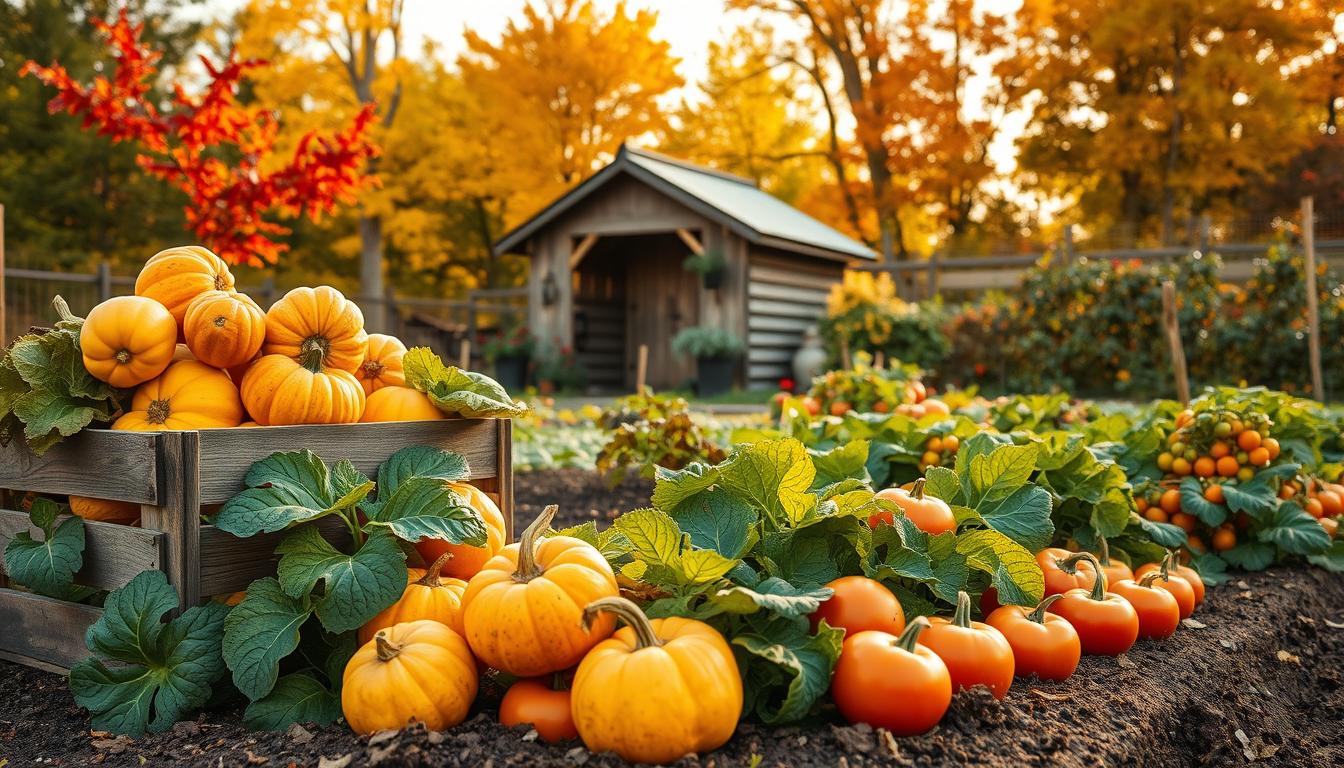
As summer ends, gardeners are excited to start planning their fall garden. Fall gardening is great because it’s cooler and has fewer pests. This makes it perfect for growing many types of crops.
With the right fall gardening tips, your garden can thrive all fall. Picking the best crops and preparing your soil are key. This way, you’ll have a successful garden and enjoy a lot of harvest.
Key Takeaways
- Choose crops that thrive in cooler temperatures
- Prepare your soil for optimal drainage and fertility
- Make the most of your fall garden with these expert tips
- Enjoy a bountiful harvest with proper planning and care
- Extend your growing season with fall gardening techniques
The Benefits of Fall Gardening
Autumn brings a new gardening season with cooler temperatures and fewer pests. This makes it perfect for gardening. Plants grow better in the cooler weather.
Cooler Temperatures and Fewer Pests
Fall’s cooler weather helps plants grow well. They don’t get stressed by extreme heat. Plus, there are fewer pests, making gardening easier.
How Fall Weather Benefits Plant Growth
Weeds grow slower in fall, giving plants more room to grow. This means plants get more nutrients and water.
Natural Pest Reduction in Autumn
As it gets colder, pests that love warm weather disappear. This means you don’t need as many pesticides. Gardening in fall is better for the environment.
Extended Growing Season
Fall gardening lets you grow crops longer than summer. By choosing the right crops, you can keep harvesting into late fall.
Different Flavor Profiles in Fall Crops
Many fall crops taste sweeter and more complex. This is especially true for Brussels sprouts and kale.
Why Cold-Weather Sweetens Certain Vegetables
Cold weather turns starches into sugars in some veggies. This makes carrots and parsnips taste sweeter after a frost.
Gardening expert Eliot Coleman says, “Cold weather makes many fall crops sweeter and tastier.”
“The sweetness that develops in vegetables like kale and carrots after a frost is not just a myth; it’s a result of the natural processes that occur in these plants when exposed to cold temperatures.”
| Crop | Benefit of Fall Gardening |
|---|---|
| Kale | Sweeter flavor after frost |
| Carrots | Enhanced sweetness and texture |
| Brussels Sprouts | Improved flavor and reduced bitterness |
Planning Your Fall Garden for a Bountiful Harvest
To get a great harvest, planning your fall garden is key. Good seasonal garden planning means knowing your local weather, picking the right crops, and getting your garden ready.
Understanding Your Growing Zone
It’s important to know your USDA Hardiness Zone. This helps you pick plants that will do well in your area. The USDA Hardiness Zone Map shows zones based on the coldest temperature each year.
USDA Hardiness Zone Considerations
The USDA Hardiness Zone Map helps you choose the right plants for your area. For example, plants that can handle cold won’t do well in warmer zones.
Regional Variations Across the United States
Climate changes from place to place. For example, the first frost in the north comes sooner than in the south.
Calculating First Frost Dates
Knowing when the first frost will hit is key for planning your garden. This date changes by region and helps you know when to plant.
Resources for Accurate Frost Prediction
There are many online tools and apps that give accurate frost predictions. These help you plan your planting for a big harvest.
Creating a Garden Layout
A good garden layout is important. It helps use space well and makes plants grow healthy. Using companion planting and vertical growing can make your garden more productive.
Companion Planting for Fall Gardens
Companion planting means pairing plants that help each other. For example, marigolds with tomatoes can keep nematodes away.
Maximizing Space with Vertical Growing
Vertical growing is great for small gardens. It lets you grow more without taking up more space. Use trellises or wall planters to do this.
| Crop | Companion Plant | Benefit |
|---|---|---|
| Tomatoes | Marigolds | Nematode deterrence |
| Cucumbers | Dill | Aphid control |
| Carrots | Sage | Pest repellent |
Best Vegetables for Fall Planting
Choosing the right vegetables for fall is key to a great harvest. As the weather gets cooler, many veggies do well. This means you can enjoy a lot of fresh produce.
Leafy Greens
Leafy greens like kale, spinach, and lettuce are perfect for fall. They love the cooler weather and can handle a little frost.
Days to Maturity Considerations
When planting leafy greens, think about how long they take to grow. Most take 20 to 50 days. For example, spinach is ready in 20 days, while kale takes up to 50 days.
Cold Tolerance Ratings
Leafy greens have different levels of cold tolerance. Spinach and kale can handle temperatures as low as 0°F (-18°C) with some protection.
Root Vegetables
Root veggies like carrots, radishes, and beets are great for fall gardens. They can stay in the ground for a while, giving you a steady supply of food.
Soil Requirements for Success
Root veggies need well-draining, loose soil to grow well. Carrots need sandy soil to grow straight, while beets can handle slightly heavier soil.
| Vegetable | Days to Maturity | Soil Preference |
|---|---|---|
| Carrots | 60-70 days | Sandy, well-draining |
| Radishes | 20-30 days | Loose, not too rocky |
| Beets | 50-60 days | Well-draining, moderate fertility |
Brassicas
Brassicas like broccoli, cauliflower, and Brussels sprouts are great for fall gardens. They need a bit more time to grow but can handle frost.
Transplanting vs. Direct Seeding Timing
Brassicas can be direct-seeded or transplanted. Broccoli and cauliflower often start indoors 4 to 6 weeks before frost. Then, they’re moved to the garden.
“The key to a successful fall garden is understanding the specific needs of each vegetable variety and planning accordingly.”
By picking the right veggies and knowing their needs, you can have a great fall harvest. Good fall gardening means planning well and meeting each crop’s needs.
Preparing Your Garden Beds for Fall
To get the most out of your fall garden, start by cleaning up your garden beds. Get rid of summer crops and any leftover debris. This makes room for new plants and helps them grow well.
Clearing Summer Crops
Removing old summer crops is the first step. It keeps your garden looking neat and stops diseases and pests from spreading.
What to Remove and What to Leave
Take out any crops that are done, sick, or damaged. But, keep plants like comfrey. They help the soil by adding nutrients as they break down.
Soil Amendment Techniques
After cleaning up, it’s time to improve the soil. Test the soil’s pH and nutrient levels. Then, add organic matter to make the soil healthier.
Testing Soil pH and Nutrients
Use a soil testing kit to check your soil’s pH and nutrients. This tells you what to add to make it better.
Adding Organic Matter for Soil Health
Put compost or well-rotted manure in your soil. It makes the soil better for your fall crops to grow.
Mulching Strategies
Mulching helps keep the soil moist, stops weeds, and keeps the temperature right.
Types of Mulch for Fall Gardens
For fall gardens, use organic mulches like straw, bark chips, or leaves. They improve the soil as they break down.
| Mulch Type | Benefits | Considerations |
|---|---|---|
| Straw | Good for weed suppression, easy to apply | May contain weed seeds if not properly composted |
| Bark Chips | Attractive, long-lasting, good for pathways | Can be expensive, may tie up nitrogen as they decompose |
| Leaves | Free if you have trees, rich in nutrients | May blow away in wind, can mat down and prevent water penetration |
Fall Garden Planting Techniques
Planting a fall garden needs careful planning and technique for a good harvest. The right methods are key to your success.
Direct Seeding vs. Transplanting
You have two main choices for planting your fall garden: direct seeding and transplanting. Direct seeding means planting seeds directly in the garden. Transplanting starts seeds indoors and then moves them outside.
When to Choose Each Method
The choice between direct seeding and transplanting depends on the crop. For example, carrots and radishes do well with direct seeding. On the other hand, broccoli and cauliflower are better with transplanting.
| Crop | Direct Seeding | Transplanting |
|---|---|---|
| Carrots | Yes | No |
| Broccoli | No | Yes |
| Radishes | Yes | No |
Proper Spacing for Fall Crops
Proper spacing is crucial for a successful fall garden. Overcrowding can reduce yields and make plants more susceptible to disease.
Adjusting Spacing for Cooler Conditions
In the cooler fall, some crops can be planted closer together. For example, lettuce and spinach can be planted closer in the fall.
Succession Planting for Continuous Harvests
Succession planting means planting small batches of seeds every few weeks. This ensures a continuous harvest. It works well for leafy greens and root vegetables.
Creating a Planting Calendar
To use succession planting well, make a planting calendar. This calendar will show when to plant each batch of seeds. It helps ensure a continuous harvest all fall.
Watering and Fertilizing Your Fall Garden
Getting the most from your fall garden means paying attention to watering and fertilizing. As the weather gets cooler, your garden’s needs change. It’s key to adjust your care to keep your garden healthy and productive.
Adjusting Watering Schedules for Cooler Weather
Plants need less water in the fall because it’s cooler and there’s less evaporation. Still, keep an eye on how wet the soil is.
Morning vs. Evening Watering Considerations
Watering in the morning helps plants soak up water all day. Morning watering also cuts down on fungal diseases that can happen when plants are wet at night. But, if your area has a lot of morning fog or frost, you might need to water at a different time.
Organic Fertilizer Options
Choosing the right fertilizer is crucial for your plants’ health. Organic fertilizers are better because they’re good for the environment and improve soil quality.
Slow-Release vs. Quick-Acting Nutrients
Slow-release fertilizers give plants nutrients over time, so you don’t have to water them as often. Quick-acting nutrients give a fast boost but need more frequent use. A mix of both can work best.
Compost Tea Applications
Compost tea is made by soaking compost in water. It’s full of good microbes that help soil and plants grow. Using compost tea can really help your fall garden.
Protecting Your Fall Garden from Early Frosts
As fall arrives, gardeners must protect their crops from early frosts. The risk of frost grows, threatening the hard work in your fall garden. Using successful strategies can protect your crops and ensure a good harvest.
Row Covers and Cold Frames
Row covers and cold frames are great for protecting your garden. Row covers are lightweight fabrics that let plants breathe while keeping frost out. Cold frames trap warmth, protecting plants from cold.
DIY Protection Solutions
For those on a budget, DIY solutions are a good option. You can make your own row covers and cold frames with PVC pipes, wooden frames, and frost blankets. This saves money and lets you tailor solutions to your garden.
Hoop Houses and Tunnels
Hoop houses and tunnels add extra protection for your fall crops. They trap warmth, protecting plants from bad weather. Using them can make your garden more resilient and extend the growing season.
Materials and Construction Tips
Choosing the right materials and following construction tips is key for hoop houses and tunnels. Use durable frames like metal or PVC and cover them with polyethylene or polypropylene film. This ensures they last and work well.
Mulching for Insulation
Mulching is a simple way to keep your soil warm and protect roots from freezing. Use organic mulches like straw, bark chips, or leaves to keep soil warm and moist.
Proper Application Techniques
To make mulching work, apply it correctly. A 2-3 inch layer of mulch is enough. Keep it a few inches from plant stems to avoid rot. Check and add more mulch as needed to keep it effective all fall.
Managing Pests and Diseases in Fall
Effective fall garden management means knowing how to handle pests and diseases. As fall approaches, it’s key to know the common problems that can pop up.
Common Fall Garden Pests
Fall gardens face pests like aphids, cabbage worms, and slugs. These pests can harm your garden if not stopped.
Identifying Aphids, Cabbage Worms, and Slugs
Aphids are tiny, soft insects that suck plant sap. Cabbage worms are green caterpillars that eat brassica plants. Slugs are slimy pests that chew on leaves and stems at night. Spotting these pests early is crucial.
Organic Pest Control Methods
Organic pest control is vital for a healthy garden. Beneficial insects like ladybugs and lacewings can fight aphids.
Beneficial Insects for Fall Gardens
Beneficial insects like ladybugs and lacewings eat common pests. They help keep pest numbers down.
Disease Prevention Strategies
Preventing disease is essential for a good fall garden. Good air flow and removing sick plants help avoid fungal issues.
Avoiding Fungal Issues in Cooler Weather
Fungal diseases love cool, wet weather. Keep plants spaced well and remove sick leaves to prevent these diseases.
Harvesting Your Fall Bounty
Harvesting your fall garden at the right time is key for the best taste and texture. This is crucial for optimizing your fall harvest. Knowing the best fall crops for harvesting and when to pick them can make gardening better.
Optimal Harvest Times
Different crops have their own best times to harvest. Leafy greens like kale and spinach are best when young and tender. Root veggies like carrots and beets are ready when they’re full color and about 1/2 to 1 inch big.
Signs of Readiness by Crop Type
- Leafy Greens: Harvest when leaves are young and tender.
- Root Vegetables: Check for size and color.
- Brassicas: Harvest when the heads are firm and compact.
Proper Harvesting Techniques
The way you harvest can affect your produce’s quality and how long it lasts. Always use sharp, clean tools to avoid harming the plants or spreading disease.
Tools and Methods for Different Vegetables
- For leafy greens, use scissors to cut the leaves, leaving a small portion to regrow.
- For root vegetables, gently dig around the plant to avoid damaging the roots.
- For brassicas, cut the head with a sharp knife, leaving a small stub to potentially produce side shoots.
Storage Solutions for Fall Produce
Proper storage can keep your produce fresh longer. Different crops need different storage conditions.
Root Cellaring Basics
Root cellaring is great for storing root veggies. It keeps them cool and humid. Make sure the cellar is clean and pest-free.
Freezing and Preserving Options
For crops that don’t store well, freezing or preserving is a good option. Blanching before freezing helps keep color and nutrients.
By following these tips for harvesting and storing, you can enjoy your fall produce all winter long.
Extending Your Growing Season into Winter
As fall ends, gardeners can keep growing into winter. They use overwintering techniques, season extension structures, and pick hardy winter crops.
Overwintering Techniques
Overwintering lets plants live through cold winter months. Crops like kale and spinach stay fresh with mulch or row covers.
Crops That Can Survive Winter
Some crops handle cold better than others. For example, Brussels sprouts and broccoli can handle light frosts, perfect for winter gardens.
Season Extension Structures
Season extension structures shield crops from winter’s harshness. Greenhouses and cold frames create a warmer spot for plants.
Greenhouses and Cold Frames
Greenhouses keep a warm, controlled space. Cold frames use clear materials to let in sunlight and keep heat in.
Winter-Hardy Crop Selection
Picking the right crops for winter is key. Root vegetables like carrots and beets can stay in the ground or cold storage.
Regional Recommendations for the United States
Winter crops vary by region. In the south, spinach and lettuce grow year-round. In the north, kale and Brussels sprouts are better choices.
| Crop | Region | Winter Hardiness |
|---|---|---|
| Spinach | Southern US | High |
| Kale | Northern US | High |
| Lettuce | Southern US | Moderate |
| Brussels Sprouts | Northern US | High |
Conclusion: Enjoying the Rewards of Your Fall Garden
By following these fall gardening tips, you’re on your way to a great harvest. Planning your garden for fall means paying close attention and being ready for weather changes. This article shows you how to keep growing food longer and enjoy a variety of tasty, healthy crops.
With the right methods and a bit of practice, you can have a productive fall garden. It will give you fresh food all winter. Whether you’re experienced or new to gardening, the benefits of fall gardening are huge. So, why not start planning your fall garden today? Get ready to enjoy the fruits of your hard work.
