

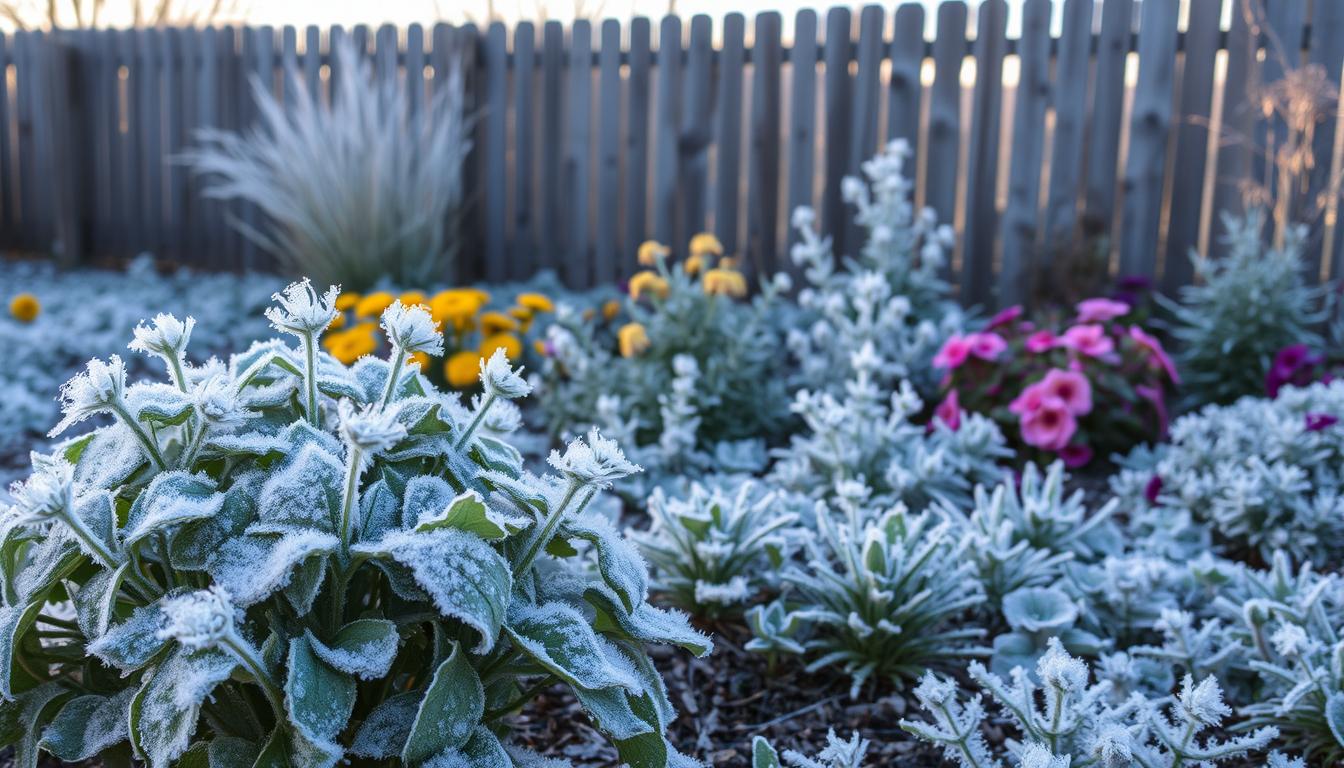
As fall comes to Tennessee, gardeners need to get ready for frost. Frost can damage plants a lot, ruining your harvest and harming your garden.
To keep your garden healthy and full of food, you must protect it from frost. By acting early, you can keep your plants safe from bad weather. This way, your garden will stay strong and fruitful all fall.
Key Takeaways
- Understand the risks of frost to your Tennessee garden
- Learn simple and effective frost protection methods
- Discover how to prepare your garden for the fall season
- Find out how to maintain your garden’s health during frost
- Explore tips for a bountiful harvest despite frost
Understanding Frost Patterns in Tennessee
Tennessee’s varied geography leads to different frost patterns. This is key for gardeners to protect their plants well.
Frost patterns change a lot between East, Middle, and West Tennessee. This is because of elevation and distance to water. East Tennessee’s high places get frost first, before Middle and West Tennessee’s lower areas.
Tennessee’s Frost Timeline by Region
The frost timeline changes across Tennessee. Here’s a quick overview:
East Tennessee Mountain Considerations
The mountains in East Tennessee get frost early, often in late September or early October.
Middle and West Tennessee Patterns
Middle and West Tennessee get frost a bit later, usually in mid-October.
| Region | Average First Frost Date |
|---|---|
| East Tennessee Mountains | Late September |
| Middle Tennessee | Mid-October |
| West Tennessee | Mid-October |
How Frost Damages Plant Cells
Frost damages plant cells by freezing the water inside, causing them to burst. To prevent this, gardeners can use garden frost protection tips like covering plants or bringing potted ones inside.
Knowing how frost harms plant cells helps gardeners protect their gardens. This way, their gardens stay healthy and colorful all fall.
Recognizing Frost Risk Factors in Your Garden
Knowing the risk of frost is key to protecting your Tennessee garden. Frost can harm or kill plants, causing big losses for gardeners. By spotting signs of frost and finding cold spots in your garden, you can protect your plants better.
Weather Indicators That Signal Incoming Frost
Several weather signs can warn of an incoming frost. Clear skies and low humidity often mean frost is coming, as they let heat escape. Also, a quick drop in temperature at night is a frost risk sign. Gardeners should watch weather forecasts, especially in fall, to get ready for frost.
“Frost is expected when the temperature is predicted to drop below 32°F (0°C).”
Identifying Your Garden’s Cold Spots
Cold spots in your garden are more likely to get frost. Low-lying areas are colder than hills because cold air falls. Also, spots near large bodies of water or in valleys are more frost-prone. Knowing these cold spots helps gardeners protect their garden’s most vulnerable areas with cold weather garden protection techniques.
Essential Tools and Materials for Tennessee Frost Protection
Getting ready for frost season in Tennessee means collecting the right tools and supplies. Having the right materials can greatly help protect your garden. It’s not just about having the right tools; it’s also about using them well.
Basic Supplies Every Tennessee Gardener Should Stock
Every gardener in Tennessee should have basic supplies like frost blankets, row covers, and mulch. These help keep the soil warm and protect plants. Also, having plastic sheeting or tarps can offer extra protection during harsh frost. Don’t forget to have stakes and weights to keep these covers in place.
Local Resources for Frost Protection Materials
In Tennessee, you can find frost protection materials at gardening stores, nurseries, and home improvement centers. These places often have a wide range of frost blankets, row covers, and more. Also, check with local agricultural extension offices for tips on where to find the best materials for your garden.
Frost Protection Ideas for Tennessee Fall Gardens
Fall is here, and Tennessee gardeners must protect their gardens from frost. It’s important to keep your garden looking good and healthy. The weather in Tennessee can change quickly, making it hard to predict.
Emergency Protection for Surprise Frosts
When a frost comes unexpectedly, you need to act fast. Covering plants with breathable materials like old sheets or blankets is a good idea. This keeps warmth in and protects plants from frost.
For plants that are very sensitive, row covers can offer more protection. Also, water your plants well before the frost. Wet soil keeps heat better than dry soil.
Planned Protection Strategies for Tennessee’s Climate
To protect your garden long-term, there are several strategies. Choose frost-resistant plant varieties that can handle cold better. Creating microclimates in your garden helps too. Use windbreaks or plant in spots that stay warmer.
Adding organic mulch around plants also helps. It keeps the soil warm and protects roots from freezing.
By using both emergency and long-term strategies, Tennessee gardeners can keep their gardens safe from frost. This way, your garden will stay vibrant and healthy all season long.
Plant Covering Techniques That Actually Work
Protecting your Tennessee garden from frost damage is key. Frost can harm gardens, especially during cold snaps. The right covering methods can keep your plants safe and healthy all fall.
Proper Methods for Using Row Covers and Garden Blankets
Row covers and garden blankets are great for frost protection. Place them over your plants and hold them down with rocks or stakes. Make sure they’re not too tight to avoid plant damage. For best results, pick covers that let air in and keep moisture in.
- Choose covers made for frost protection.
- Put covers on in the late afternoon or early evening to keep warmth in.
- Take off covers during the day to let plants get sunlight and air.
Household Items That Make Effective Plant Covers
Without commercial row covers, household items can work well. Old bedsheets, blankets, and towels are good options. They should be light and let air through. Don’t use plastic sheets because they can trap moisture and cause rot.
Tips for using household items:
- Use layers for more protection, but make sure there’s air space between them.
- Hold items down with stakes or weights to keep them from blowing away.
Evaluating Commercial Frost Protection Products
When picking commercial frost protection products, think about durability, breathability, and ease of use. Some have built-in stakes or clips for easy setup. Others might need extra securing. Look for products known to protect plants from frost.
Key considerations:
- Material: Choose breathable materials that let moisture and air through.
- Size: Pick products that fit your garden beds easily.
- Reusability: Consider products you can use many times to save money.
Creating Protective Microclimates in Your Garden
To protect your Tennessee garden from frost, you need to do more than just cover plants. You must create microclimates that shield them from harsh weather. By changing your garden’s environment, you can lower the risk of frost damage.
Strategic Windbreaks for Tennessee’s Fall Winds
Windbreaks are a great way to shield your garden from strong winds. These winds can make frost damage worse. Planting trees or installing fences can block the wind and protect your plants. Native Tennessee plants like Arundinaria gigantea (Giant Cane) make good natural windbreaks.
Heat-Retention Methods for Garden Beds
Keeping your garden beds warm is key to protecting plants from frost. Dark-colored materials absorb heat during the day and release it at night. Mulching also helps keep the soil warm.
Using Thermal Mass Effectively
Thermal mass uses materials like concrete or brick to absorb and release heat. Adding these to your garden design can help control soil temperature.
Water Features as Frost Buffers
Water features, like ponds or fountains, can act as frost buffers. They release heat absorbed during the day. This warmth helps protect nearby plants from frost damage.
| Method | Description | Benefits |
|---|---|---|
| Windbreaks | Planting trees or installing fences to block harsh winds | Reduces wind speed, protects plants from wind chill |
| Thermal Mass | Using materials like concrete or brick to absorb and release heat | Regulates soil temperature, provides warmth at night |
| Water Features | Incorporating ponds or fountains to release absorbed heat | Acts as a natural warmth source, buffers frost damage |
Protecting Container Plants from Tennessee’s Cold Snaps
Protecting container plants from frost is key for Tennessee gardeners as the weather gets colder. These plants are more at risk because their roots are exposed. Taking steps early can help them make it through the winter.
Relocating Potted Plants Safely
One good way to protect plants is to move them to a safer spot during cold snaps. Move pots to a sheltered area, like a garage or under an awning. This helps them avoid harsh winds and freezing temps. If you can’t move them, group pots together for extra protection.
Insulation Techniques for Container Gardens
Insulating container plants keeps them warm and protects their roots. Wrap pots with insulating materials like bubble wrap or straw bales. You can also use pot covers or old blankets to keep cold out. For more protection, bury pots in leaves or straw, making sure they’re fully covered.
By using these methods, Tennessee gardeners can keep their container plants safe from cold snaps. This way, they stay healthy all winter long.
Soil Management Strategies for Cold Weather
As winter gets closer, gardeners in Tennessee need to protect their plants from frost. Good soil management is key to keeping your garden healthy and safe from frost.
Mulching Methods Tailored to Tennessee Gardens
Mulching is a simple way to keep your garden soil safe from cold temperatures. In Tennessee, mulching helps keep moisture in, stops weeds, and keeps soil temperature steady.
Organic Mulch Options
Straw, bark chips, and pine straw are great for Tennessee gardens. They’re easy to find, break down well, and add nutrients to the soil.
Inorganic Mulch Benefits
Plastic sheeting and landscape fabric are good for keeping frost away. They’re great for plants that can’t handle cold and can last for many seasons.
Soil Amendments That Enhance Cold Tolerance
Soil amendments can make your garden more resistant to cold. Adding organic matter like compost helps the soil hold heat better. It also makes the soil better for water and air.
| Soil Amendment | Benefits for Cold Tolerance |
|---|---|
| Compost | Improves soil structure and heat retention |
| Manure | Adds nutrients and improves soil fertility |
| Peat Moss | Enhances soil water-holding capacity |
Strategic Watering to Minimize Frost Damage
Watering your garden the right way is key to avoiding frost damage in Tennessee’s fall. Keeping plants hydrated helps them fight off cold temperatures. This is because water releases heat as it cools, offering some protection.
The Science Behind Hydration and Frost Protection
Hydrated plants are less likely to get damaged by ice. Water inside the cells slows down freezing, helping plants survive light frosts. Moist soil also conducts heat better than dry soil, keeping the air around plants warmer.
“Moist soil is a better conductor of heat than dry soil, which can help protect plants from frost damage.”
Optimal Watering Timing for Tennessee’s Fall Climate
In Tennessee’s fall, timing your watering is crucial for frost protection. Water in the late afternoon or early evening lets the soil soak up moisture. This helps keep the soil warm at night. Don’t water in the morning, as it can lead to fungal growth.
| Watering Timing | Effect on Frost Protection |
|---|---|
| Late Afternoon/Early Evening | Maximizes soil moisture, retains heat |
| Morning | May promote fungal growth |
Cold-Hardy Plants That Thrive in Tennessee’s Fall
Cold-hardy plants are essential for a stunning Tennessee fall garden. They resist frost well, adding color and texture to your yard. These plants not only survive but also flourish in the cooler weather.
Native Tennessee Plants With Natural Frost Resistance
Native Tennessee plants are built to handle the local climate, including frost. Some examples include:
- Asters, which provide a burst of purple color late in the season
- Solidago, or goldenrod, known for its bright yellow flowers
- Joe-Pye weed, a tall perennial with large clusters of pinkish-purple flowers
These plants are not only beautiful but also support local biodiversity.
Fall Vegetables and Flowers for Tennessee Gardens
Tennessee’s fall is perfect for planting vegetables and flowers that handle cooler temperatures. Some popular choices include:
- Brassicas like broccoli, cauliflower, and kale
- Chrysanthemums for a vibrant display of fall colors
- Pansies, which thrive in cooler weather and can survive light frosts
By adding these plants to your garden, you can enjoy a productive and visually appealing fall season.
Rescuing Plants After Frost Exposure
After a frosty night, Tennessee gardeners often face the daunting task of rescuing their frost-exposed plants. The key to successful recovery lies in prompt and proper care. Assessing the damage is the first step; this involves inspecting your plants for signs of frost damage, such as wilted or discolored leaves.
First Aid Techniques for Frost-Damaged Plants
For plants that have suffered frost damage, providing immediate care can significantly improve their chances of recovery. Begin by gently removing any dead or damaged foliage to prevent the spread of disease. Water your plants thoroughly, but avoid overwatering, which can exacerbate the damage. Applying a balanced fertilizer can also help promote new growth and support the plant’s recovery.
Post-Frost Pruning Guidelines
Pruning is a critical step in helping your plants recover from frost damage. Wait until the full extent of the damage is clear, usually after a few days. Remove any dead or damaged branches to maintain the plant’s health and appearance. Make clean cuts just above a growth node to encourage new growth. This careful pruning will help your plants recover more quickly and thrive in the coming seasons.
Conclusion: Maintaining Garden Beauty Through Tennessee’s Seasons
As Tennessee’s fall season goes on, it’s key to protect your garden from frost. Using good frost protection ideas can keep your plants safe. This way, your garden stays beautiful all year.
This guide has given you tips on how to protect your garden from frost. You learned about frost patterns and how to use tools and materials. These strategies will help your garden survive Tennessee’s climate.
Remember, protecting your garden from frost is an ongoing job. Stay informed and proactive to keep your garden vibrant and healthy. Whether you’re experienced or new to gardening, this guide will help you face Tennessee’s fall season confidently.
